The context
Humanitarian work can make constant urgency feel normal.
In a conflict-affected setting, staff were serving under sustained operational and emotional pressure. The challenge was not simply workload. Professional distance had grown inside the team, and some colleagues working near one another had fallen into patterns of avoidance rather than direct human conversation.
The retreat needed to care for the people behind the mandate: creating enough safety for honest connection without losing sight of the work they were there to serve.
The response
Design for encounter, not just instruction.
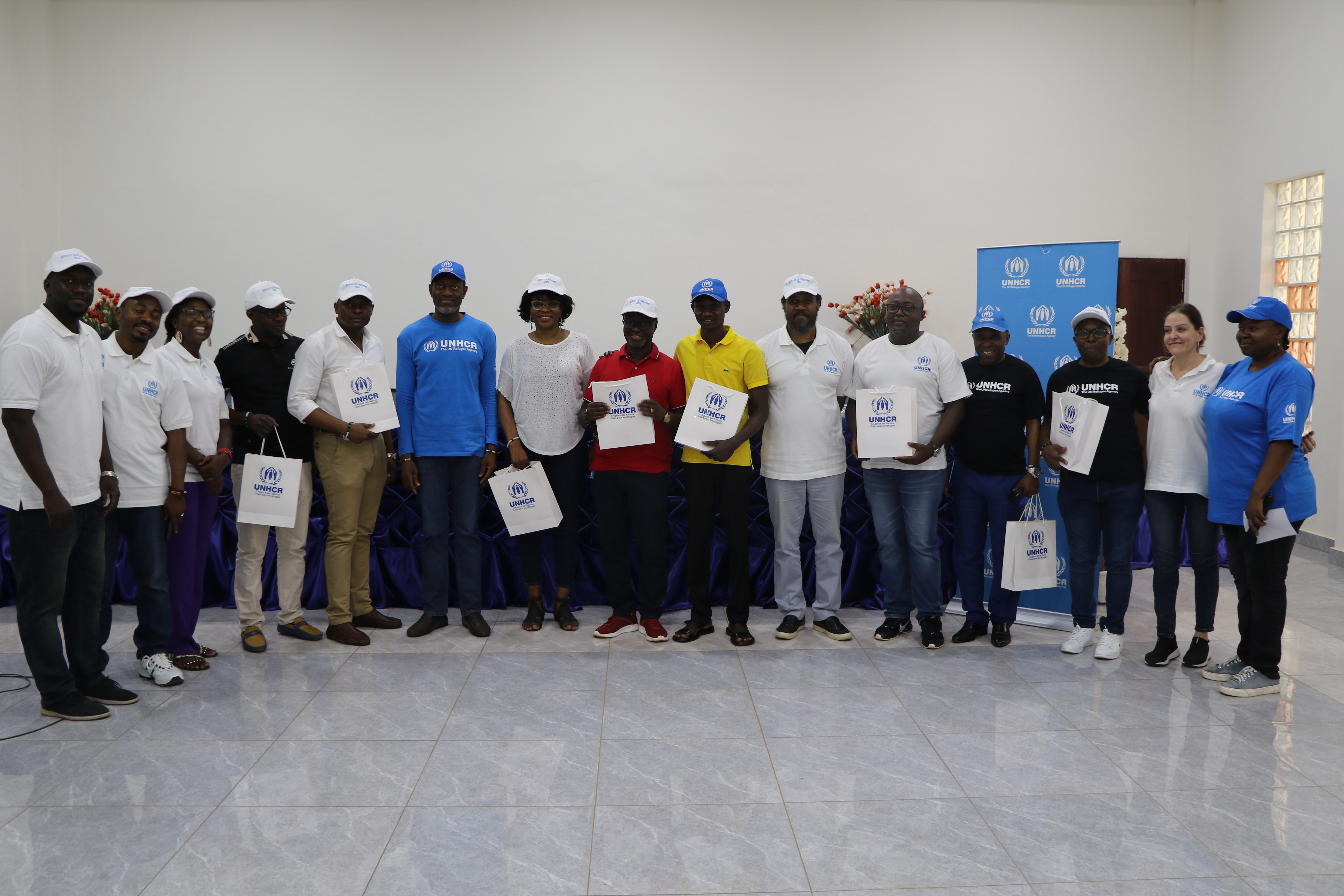
LFTH used pre-retreat discovery to shape the programme around communication, trust, empathy and team cohesion. Seating was planned to encourage new contact. Interactive exercises, shared meals and team challenges helped colleagues move beyond familiar circles.
A Kindness Spotlight invited staff to name the contribution of colleagues who had made a difference. When moments of emotion emerged, the facilitators allowed space for reflection and care rather than rushing back to the agenda. Appreciation, play and honest human presence became part of the leadership work.
Observed change
Professional distance gave way to renewed human connection.
These are immediate observations from the retreat and the contemporaneous account of the engagement. They describe what changed in the room, not a claim of independently measured long-term organisational impact.
What this shows
Caregivers need care—and teams need rhythms that restore connection.
In high-pressure environments, relationship fractures consume energy the mission cannot afford to lose. Sustainable leadership is not only about resilience as an individual skill. It is also about creating repeatable spaces where people can speak directly, recognise one another and remember they are not carrying the work alone.